
Why Invitation-Only Events Create Better Executive Conversations
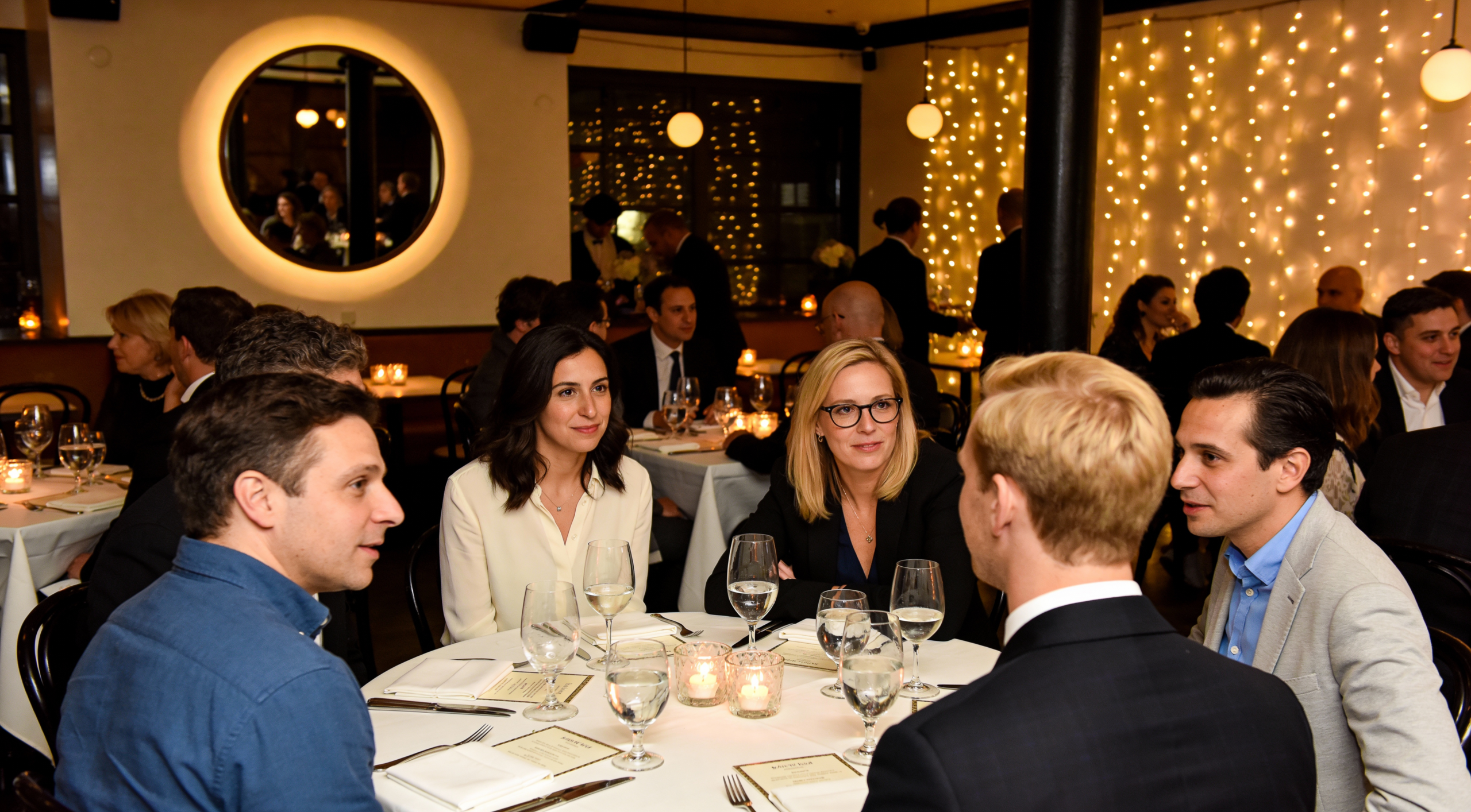
Invitation‑only events work because they remove chance from the equation. When every seat is curated, the room becomes a space where senior leaders can think clearly, speak openly, and engage with peers who understand the weight of their decisions. The result is sharper dialogue, faster trust, and conversations that move beyond networking into genuine executive value — the kind that only happens when the right people are brought together with purpose.
What Makes an Executive Dinner Different
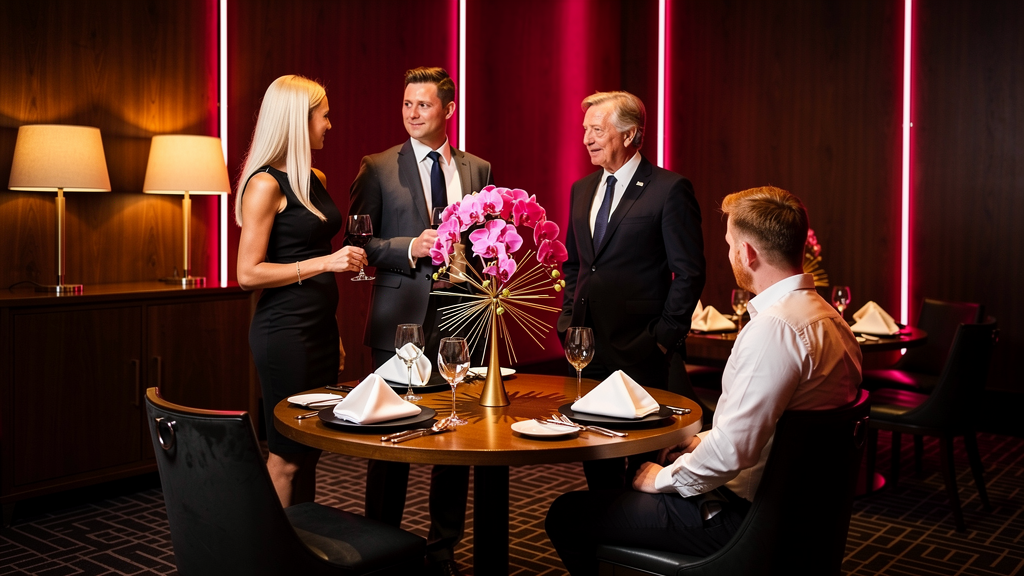
What Makes Executive Dinners Different Executive dinners are often grouped alongside general networking events, yet the two formats serve fundamentally different purposes. While networking focuses on volume, visibility, and broad reach, executive dinners prioritise relevance, discretion, and depth of conversation. For senior decision‑makers, this distinction is critical. Their time is limited, their expectations are high, and meaningful engagement rarely happens in crowded, noisy, or performative environments. Executive dinners create the opposite dynamic — a focused, invitation‑only setting where senior leaders can exchange perspectives, explore strategic topics, and build trusted relationships without distraction. Why Networking Stops Working at Senior Level Traditional networking events are often built around scale. Large guest lists, open formats, and informal interaction may create opportunities for introductions, but they rarely support meaningful conversation at senior level. For experienced leaders, these environments can feel inefficient and unfocused. Conversations are short, context is shallow, and the pressure to circulate limits any opportunity to explore challenges in real depth. The result is activity without substance — movement without meaningful engagement. As responsibilities increase, senior leaders naturally begin to prioritise fewer, more relevant interactions over broad exposure. They look for environments that respect their time, support thoughtful discussion, and allow space for genuine exchange. This shift is exactly why executive dinners have become a preferred format for high‑value B2B engagement. How Executive Dinners Change the Dynamic An executive dinner is intentionally designed to remove the mechanics of traditional networking. Group sizes are small, attendance is curated, and the environment is private, allowing the focus to shift from visibility to meaningful exchange. There are no pitches, presentations, or expectations to perform — the format is built to encourage calm, unforced conversation. This creates space for genuine peer‑level discussion. Leaders engage with others who share similar responsibilities and pressures, enabling conversations to move quickly beyond surface‑level introductions and into context, experience, and perspective. The environment supports depth rather than volume, giving senior attendees the freedom to think, reflect, and contribute without distraction. Unlike networking events, executive dinners are not about who you meet — but what you are able to discuss, explore, and understand alongside peers who operate at the same level. Why Senior Leaders Prefer Invitation-Only Formats Invitation‑only environments signal intent. Attendance is based on relevance, not availability, which immediately changes the tone of the room. Participants arrive knowing the discussion will be focused, the audience aligned, and the environment designed for meaningful senior‑level exchange. This is why executive dinners sit alongside formats such as virtual roundtables rather than general networking. Both are built to support thoughtful dialogue, professional discretion, and high‑value conversation without sales pressure or unnecessary noise. These formats give senior leaders the space to think, contribute, and engage with clarity. For organisations seeking senior‑level engagement, understanding this distinction is essential. In many cases, the most effective starting point is not an event at all — but a focused conversation to determine the right environment, the right audience, and the right format for meaningful executive engagement. A More Intentional Approach to Senior‑Level Engagement Senior‑level engagement works best when the environment is intentional, the audience is aligned, and the conversation is allowed to develop without noise or pressure. Executive dinners, virtual roundtables, and invitation‑only formats create the conditions for this — focused settings where leaders can think clearly, exchange perspectives, and build meaningful professional relationships. As organisations place greater value on relevance over reach, these formats have become essential tools for shaping high‑quality dialogue at senior level. At Convene X, our role is to design and deliver these environments with precision, ensuring every detail supports clarity, discretion, and depth. Whether the objective is awareness, alignment, or early‑stage relationship building, the most effective starting point is always a conversation — one that helps determine the right format, the right audience, and the right approach for meaningful executive engagement.
Executive Dinner Best Practices

Best Practices: How to Create a Senior‑Level Experience That Delivers Real Value Executive dinners are one of the most effective ways to engage senior decision‑makers — but only when they are designed with intention, structure, and a clear understanding of what leaders value. These dinners are not about performance or spectacle. They are about relevance, alignment, and creating a curated environment that supports meaningful conversation. Whether you’re hosting your first executive dinner or refining an existing programme, these best practices will help you deliver an experience that feels composed, senior‑appropriate, and genuinely valuable. Start With a Clear Strategic Purpose Every high‑value executive dinner begins with absolute clarity of intent. Senior leaders do not give up an evening for generic networking, brand promotion, or surface‑level conversation. They attend when the topic speaks directly to their responsibilities, pressures, and strategic priorities — when the discussion feels relevant, timely, and worthy of their attention. Clarity is what signals that the dinner has purpose, direction, and respect for the seniority of the people in the room. To establish that clarity, define three core elements: What the dinner helps participants explore — the strategic theme, challenge, or opportunity that anchors the conversation. What outcome you want them to leave with — a shift in perspective, a shared understanding, or a new line of thinking. How the discussion supports your broader engagement strategy — the role this dinner plays in building relationships, shaping future dialogue, or informing your wider programme. When these elements are clearly articulated, the purpose becomes the foundation for every decision that follows — from who you invite, to how you frame the conversation, to the tone and structure of the evening itself. Clarity ensures the dinner feels intentional, senior‑appropriate, and aligned with the value leaders expect from a well‑designed executive experience. Curate the Right Guests: Quality Over Quantity Curating the right group of attendees is one of the most important best practices in executive dinner design. Senior leaders engage most effectively when they are surrounded by peers who share similar levels of responsibility, face comparable challenges, and understand the strategic context of the discussion. The alignment of the room directly influences the depth, pace, and quality of the conversation. The ideal group size is typically 8–12 senior participants. This range allows for balanced contribution, natural flow, and genuine peer‑level exchange. When the group becomes too large, the conversation fragments; when it is too small, the dynamic can feel narrow or overly intimate. The goal is to create a table where every attendee feels they belong and can contribute meaningfully. Equally important is the selection process. Invitations should be discreet, personalised, and purposeful. Senior leaders appreciate being chosen for their perspective, not targeted for their budget. When the guest list is curated with care, the dinner becomes a space where trust builds quickly and conversation flows naturally — the foundation of a high‑value executive experience. Design the Conversation: Structure Without Performance A successful executive dinner is not a free‑flowing chat, nor is it a formal presentation. It sits in the middle — structured enough to stay focused, but relaxed enough to feel natural and senior‑appropriate. Leaders want conversations that are relevant, composed, and anchored in real strategic value. A proven rhythm for the evening includes: Arrival and informal welcome to set the tone Opening context from the host to frame the purpose A guided conversation anchored around two or three themes A natural close with clear next steps This structure ensures the discussion remains aligned with the purpose without feeling rigid or over‑engineered. Avoid anything that resembles a pitch, performance, or panel discussion. Senior leaders value authenticity and relevance, not theatrics. A strong moderator or host is essential. Their role is to guide the flow, balance contributions, and ensure the discussion stays on track. They should be present but not dominant — shaping the conversation without overshadowing it. When done well, the structure becomes invisible, allowing the group to focus entirely on meaningful dialogue. Create an Environment That Supports Trust The environment of an executive dinner is just as important as the content being discussed. Senior leaders respond best to settings that feel calm, private, and intentionally designed — spaces that signal respect for their time and create the right conditions for meaningful dialogue. The physical environment should support conversation at every stage, never compete with it or distract from it. When the room feels composed and thoughtfully curated, participants naturally settle into a more open, reflective mindset. To achieve this, prioritise elements that subtly elevate the experience: Soft, warm lighting that creates a composed, intimate atmosphere without feeling theatrical. Low noise levels that support clarity, focus, and uninterrupted flow. A table layout that encourages eye contact, balanced participation, and a sense of shared purpose. Discreet, well‑timed service that enhances the evening without drawing attention or breaking the rhythm of the conversation. A high‑quality, well‑paced menu that feels premium but never distracts from the discussion or requires excessive attention. Individually, these details may seem small, but together they shape how participants feel — and how openly they engage. Trust is built not only through the content of the conversation, but through the emotional cues the environment provides. When the setting is intentional and unobtrusive, senior leaders relax, contribute more freely, and connect more deeply with both the topic and the people around the table. This is where the true value of an executive dinner emerges. Personalise the Executive Dinner Experience Without Over‑Engineering It Senior leaders appreciate thoughtful touches, but they have little patience for theatrics, gimmicks, or unnecessary embellishment. What resonates most at this level is subtlety — the sense that every detail has been considered with intention, not added for show. The most effective executive dinners feel personal, composed, and quietly premium. Nothing is loud, performative, or overly designed. Instead, the experience communicates respect, clarity, and a deep understanding of what senior decision‑makers value. Personalisation at this level is not about branded menus, elaborate décor, or scripted moments. It is about creating an environment that feels intentionally crafted for the people in the room. Small, well‑judged touches signal care and elevate the
Why Senior Leaders Value Conversation Over Presentation
When Senior Leaders Prioritise Real Conversation Senior Leaders time is limited and context matters. Leaders are often invited to events, sessions, and forums designed to inform or persuade, yet many leave without meaningful engagement. Increasingly, senior decision-makers are seeking environments where conversation takes priority over presentation. This shift reflects a broader preference for relevance, discretion, and peer exchange — particularly in settings designed for experienced leaders rather than audiences. The Limits of Presentation-Led Formats Presentations have their place, particularly when information needs to be shared efficiently or at scale. However, for senior leaders, many challenges are complex, nuanced, and highly contextual. They are rarely solved through slides or one-way communication. In presentation-led formats, conversation is often constrained by time, hierarchy, or agenda. Questions are filtered, discussion is limited, and insight remains largely one-directional. For leaders who are already well informed, this can feel inefficient and disconnected from real-world decision-making. As a result, many senior leaders are gravitating away from environments that prioritise delivery over dialogue, and toward formats that allow for open, thoughtful exchange. Why Conversation Creates More Value at Senior Level Conversation-led formats enable leaders to explore challenges collaboratively, rather than passively consume information. In peer-level discussion, context can be shared openly, perspectives can be tested, and assumptions can be challenged in a way that feels constructive rather than performative. This is why formats such as executive dinners and virtual roundtables resonate so strongly with senior audiences. These environments are intentionally designed to remove sales pressure, presentation bias, and audience dynamics, allowing discussion to unfold naturally. In invitation-only environments, relevance replaces volume. Participants engage with peers who understand similar pressures and responsibilities, creating space for dialogue that is grounded in experience rather than theory. Designing Environments Where Dialogue Can Happen The effectiveness of conversation is shaped not just by who is present, but by the environment itself. Group size, format, pacing, and setting all influence whether discussion feels open or constrained. In-person formats such as executive dinners benefit from privacy, shared experience, and the absence of formal structure. Digital formats like virtual roundtables extend these principles online, offering focused discussion without geography as a barrier. Even executive webinars, when designed with care, can support clarity and understanding when structured appropriately. Across all formats, the key is intention. When environments are designed to support dialogue rather than promotion, conversation becomes the central value — not a by-product. For organisations exploring executive engagement, the first step is often not choosing a format, but understanding which environment best supports the conversation they want to have. In many cases, it’s worth starting with a conversation before deciding what comes next.
Why Executive Dinners Lead Senior B2B Engagement
Replace this text with a summary of the article. The excerpt is often used on the blog archive as a preview for the full content of each post. you aren’t limited to just using the text at the beginning of the post. You can create a full summary